The practice of cultivating gratitude is part of the science of positive psychology. Studies have found that gratitude can increase levels of well-being and happiness in those who cultivate it.
New to Yoga
Practices
Yoga in Your Daily Life
Yoga Beyond Asana
Sister Sciences »
Our Sangha »
The practice of cultivating gratitude is part of the science of positive psychology. Studies have found that gratitude can increase levels of well-being and happiness in those who cultivate it.
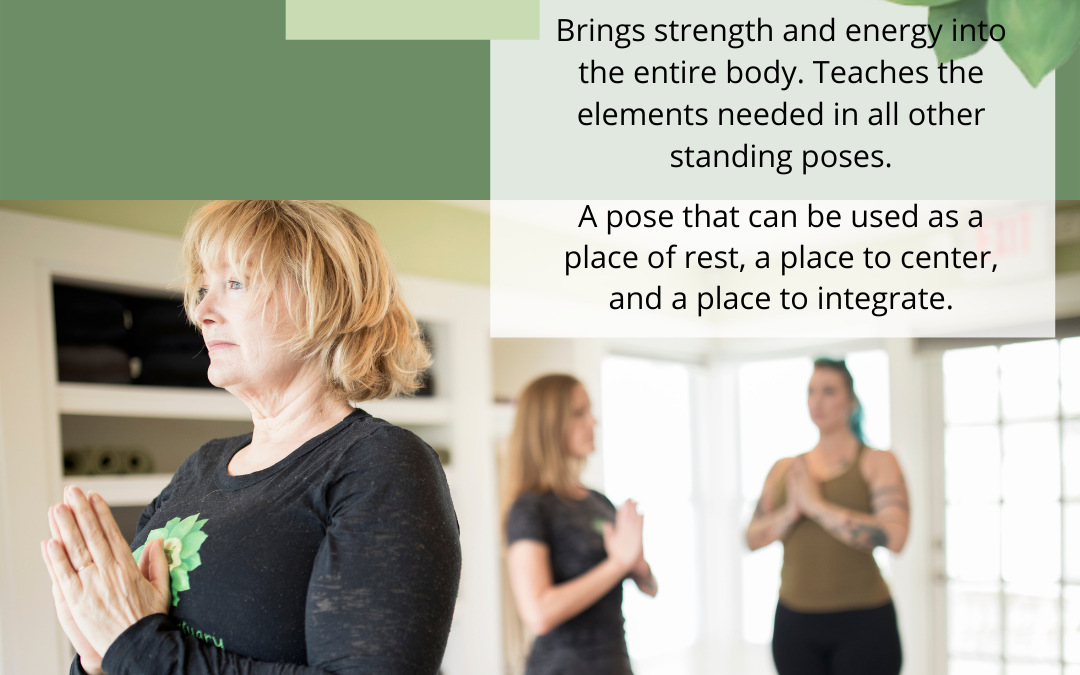
Rich in symbolism, tadasana comes from the Sanskrit words tada (mountain) and asana (posture, or seat). Mountain Pose is the essence of stability and foundation, and as such, contains the building blocks for every other posture in yoga. Yoga videos exploring Mountain Pose can be found here!
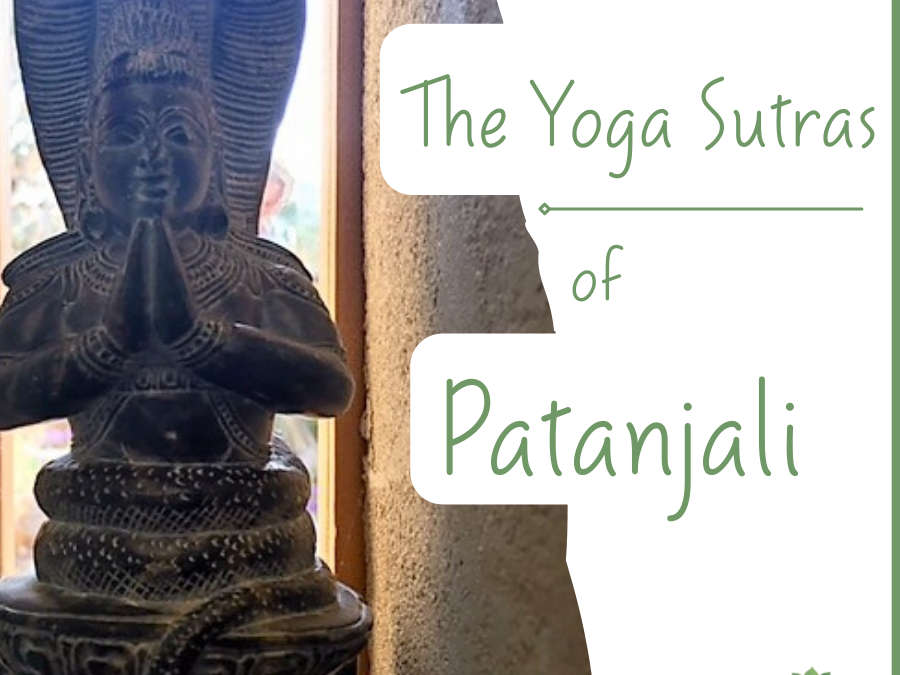
The Yoga Sutras of Patanjali, compiled by the sage Patanjali over 1,700 years ago, are considered one of the most authoritative texts on the practice and philosophy of yoga. Comprising 196 aphorisms—short, concise statements—the Yoga Sutras outline the Eight Limbs of Yoga (Ashtanga Yoga), a systematic guide for living a yogic life and achieving spiritual liberation. This text is foundational in the Raja Yoga tradition, which emphasizes self-discipline, meditation, and mental mastery as essential tools for attaining inner peace and enlightenment.
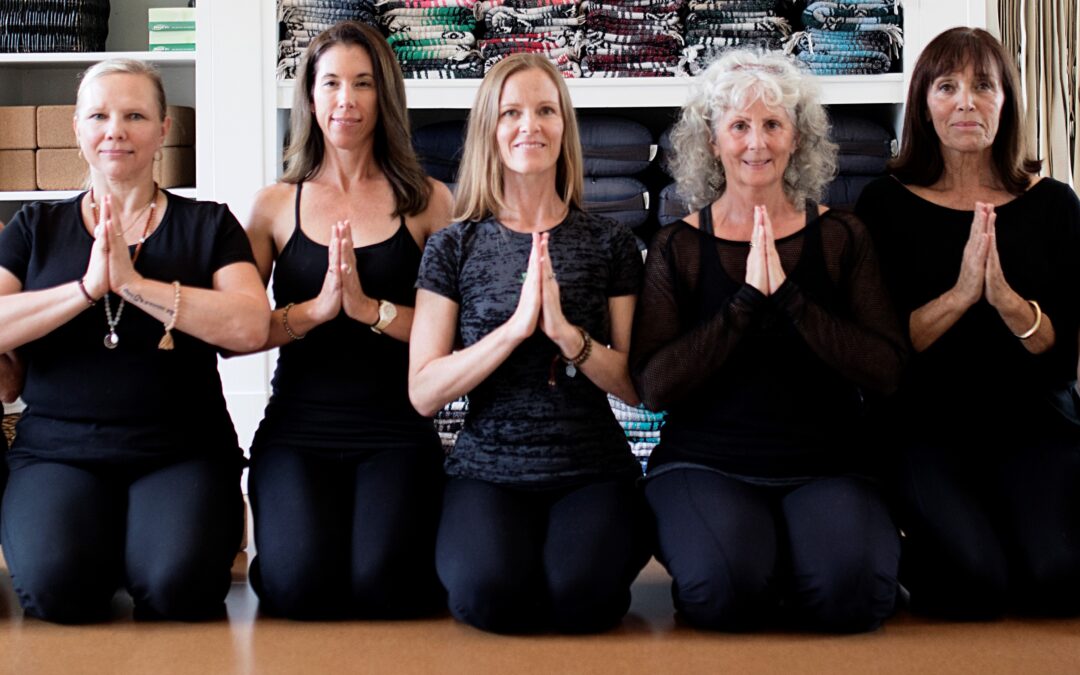
Virasana, or the Hero’s Pose, is a commonly used sitting or meditation posture. Those that have difficulty taking a cross-legged position often find the pose to be more accessible and comfortable. Vira, the root word for virasana, translates to hero. You may wonder how a simple and humble kneeling position came to be known as such… Practice videos included here!!
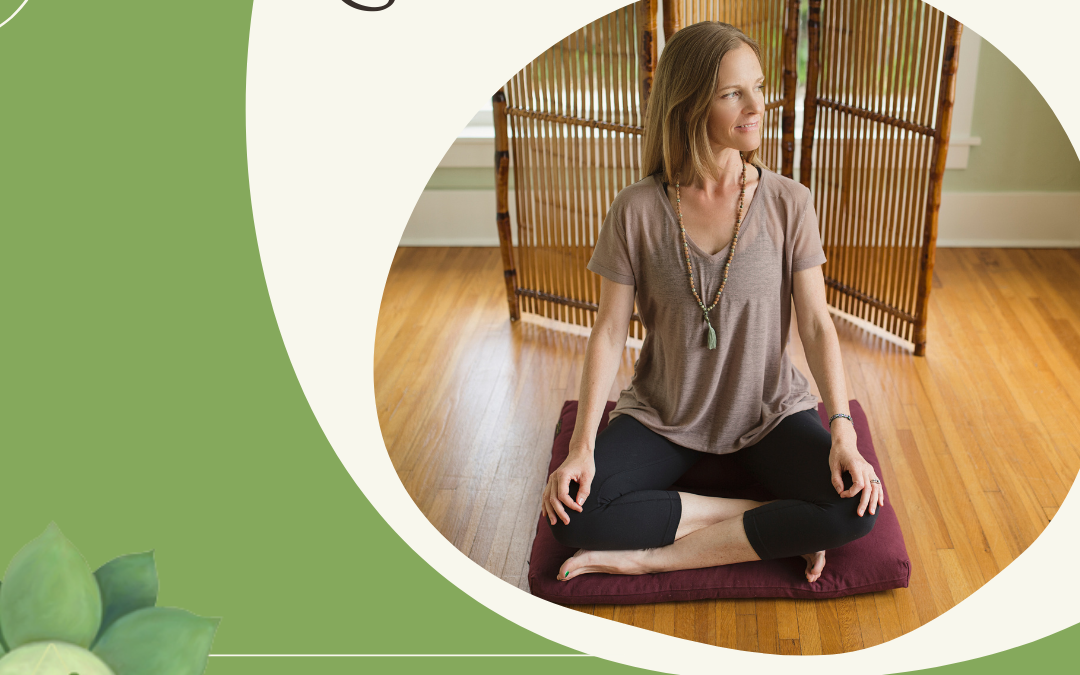
You might consider sukhasana one of those poses whose name is a misnomer… While asana is the second half of the posture’s name and is defined as pose or seat, sukha translates to easy, comfortable, or even sweet. However, it’s the sweetness that’s often missing from the pose for many of us… Yoga practice videos included here!!
Asana, often associated with the physical postures of yoga, is a fundamental practice that contributes to physical, mental, and spiritual well-being. It serves as the groundwork for the deeper practices of yoga, creating a solid foundation for personal growth and transformation. While most people are familiar with asana as the body postures performed in a yoga class, its significance stretches far beyond the physical.
Enjoy this simple, 15-minute guided meditation that focuses on the natural rhythm of the breath, and your unique breath print.
Earlier last summer I was confiding in Gwen, a fellow yoga teacher and friend that recently passed. I said to her, “ I feel as if I’m practicing (yoga) as though I’m preparing for something but I don’t know exactly what that is.” I had been feeling this way for months, and although I had many goals for my practice, I felt my preparation was fueled by something greater than I could even explain. In this case, by “practice,” I’m referring specifically to yoga philosophy, the study of self, and meditation….
Live Your Life Fully by Jennifer French and others It’s been just over three weeks since The Yoga Sanctuary returned from our first ever yoga retreat! Our adventure took us all the way to Costa Rica. We stayed just outside of a little town called Puerto Viejo de...
A Guided Meditation Led by Melissa Goodwin Melissa fell in love with yoga at the age of 10, when she and her mother attended a community yoga class. She is grateful to have found her long-time teachers, Tias and Surya Little, when she moved to Santa Fe, New Mexico in...
Many of us live our lives as if on autopilot, constantly being destabilized and reacting to what we encounter. The practices of mindfulness and meditation are powerful tools that change our relationship to what we encounter in life, providing a window of opportunity between stimulus and response. What we discover in that space is our ability to reduce our own stress, to pay closer attention while appreciating the fullness and richness of life, and to develop good will for ourselves and others.
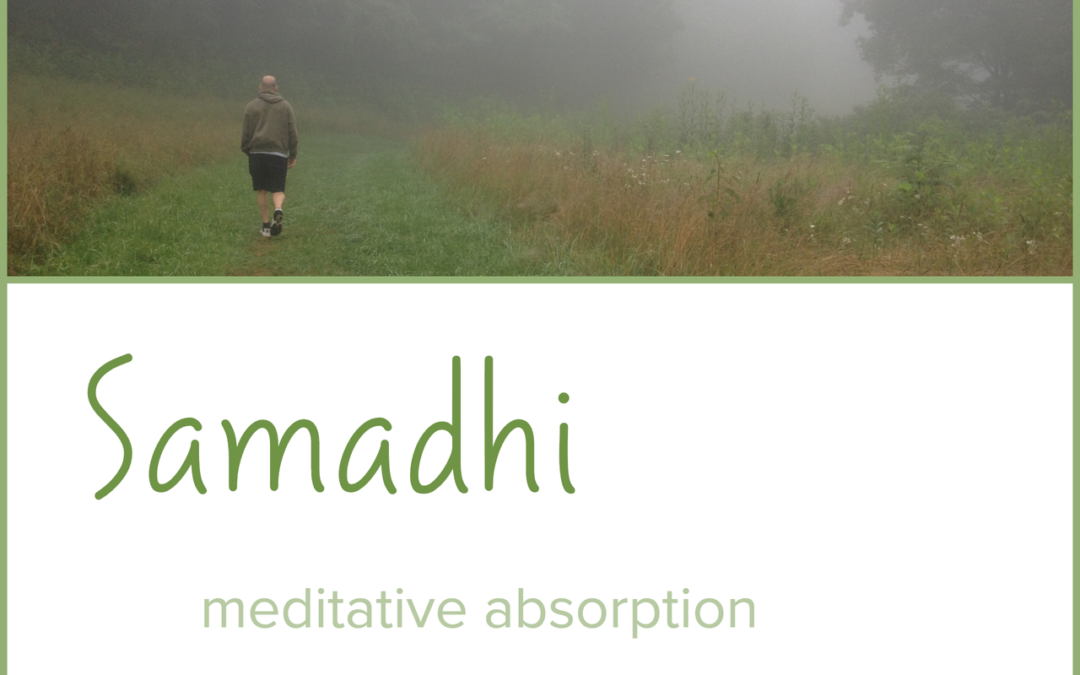
In the practice of yoga, each limb builds upon the last, guiding us toward greater self-awareness, spiritual connection, and inner peace. The eighth and final limb, samadhi, represents the culmination of this journey, a state in which the meditator becomes one with the object of meditation. This realization is not something we can simply grasp through thought—it is an experience beyond words, one that cannot be explained but only felt.
Dhyana, the seventh limb of yoga, is often referred to as meditation. Building on the foundation of dharana, the sixth limb, it can be thought of as the uninterrupted flow of concentration. While dharana focuses on one-pointed attention, dhyana takes this practice a step further by maintaining that focus for extended periods. When the mind is fully absorbed in an object, without distraction, this is dhyana.
Dharana is the sixth limb of Patanjali’s Eight Limbs of Yoga, and it marks the stage of one-pointed concentration. At this point, the mind is trained to focus steadily on a single object, free from distraction. While this might sound like meditation, it is actually the foundation for the deeper practices of dhyana (meditation) and samadhi (enlightenment). Dharana is about developing the skill of sustained concentration, which allows us to move toward the higher, more effortless states of mental absorption and unity with the object of focus.
Pratyahara, the fifth limb of yoga, invites us into the quieter, more subtle aspects of our practice. Often translated as “withdrawal of the senses,” pratyahara asks us to look inward, beyond the constant pull of external distractions, and cultivate a deep sense of stillness. It is about muting the senses—learning to quiet the constant stream of external stimuli that often pulls our attention away from the present moment.
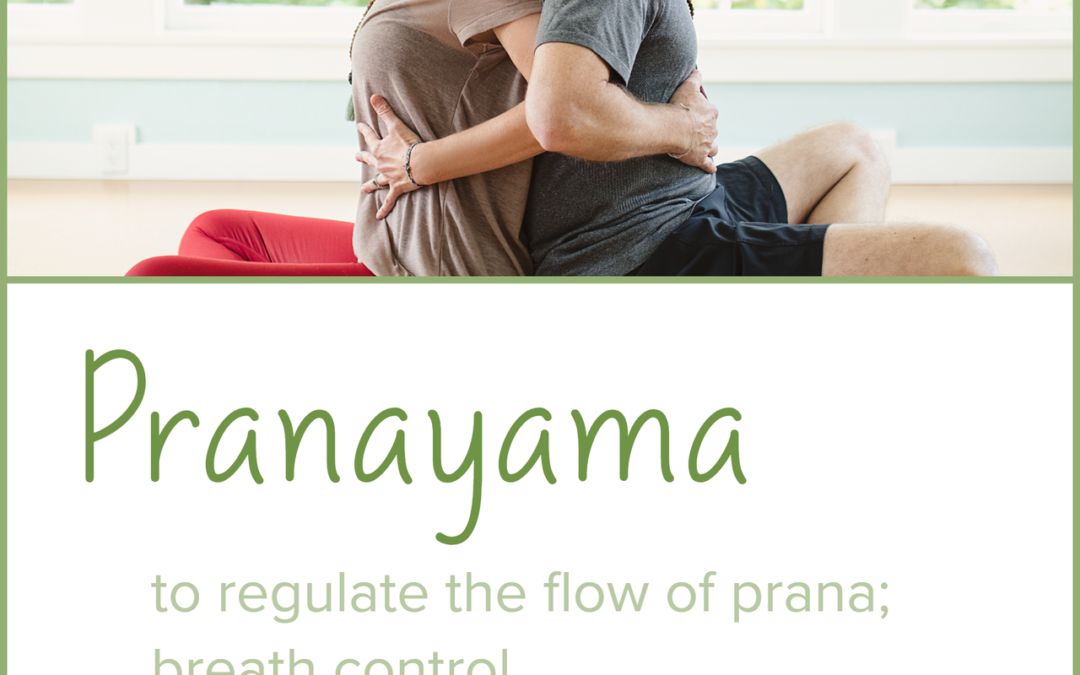
Pranayama is a vital aspect of yoga practice, bridging the physical postures of asana and the inner stillness of meditation. As the fourth limb of yoga, pranayama follows asana for good reason: asana prepares the body for pranayama. While asana is often associated with movement and strength, pranayama requires stillness and a calm, focused mind.
By Jennifer French I often reflect on how fortunate I am to be on this yogic path. It has provided me with tools and skills that help keep me afloat when the day to day challenges of life get even more challenging. It’s a blessing to have mentors to go to, teachers...
By Kimberley Heffley: 2019 TYS Teacher Training Graduate and 15 year 9-1-1 Veteran with the Charlotte County Sheriff's Department As a group, dispatchers sit. A lot. Upwards of 12 hours for some. Some dispatch centers have consoles that allow you to stand but we are...
Yoga is a simple and, when practiced safely, effective way to maintain and perhaps increase one’s BMI (bone mineral density). More clearly, yoga can help build bones. We build bone strength and density by putting stress on the bone or applying weight and pressure to the bone. The more we safely and mindfully stress the bone, the stronger it gets.
By Gwen Burdick Vastu, which means “science of space” in Sanskrit, is a sister science to Yoga, Jyotish and Ayurveda, and is the precursor to Feng Shui. The ancient Shastras are the books of rules of the Vedic sciences and the Vastu Shatra is the text that explains...