
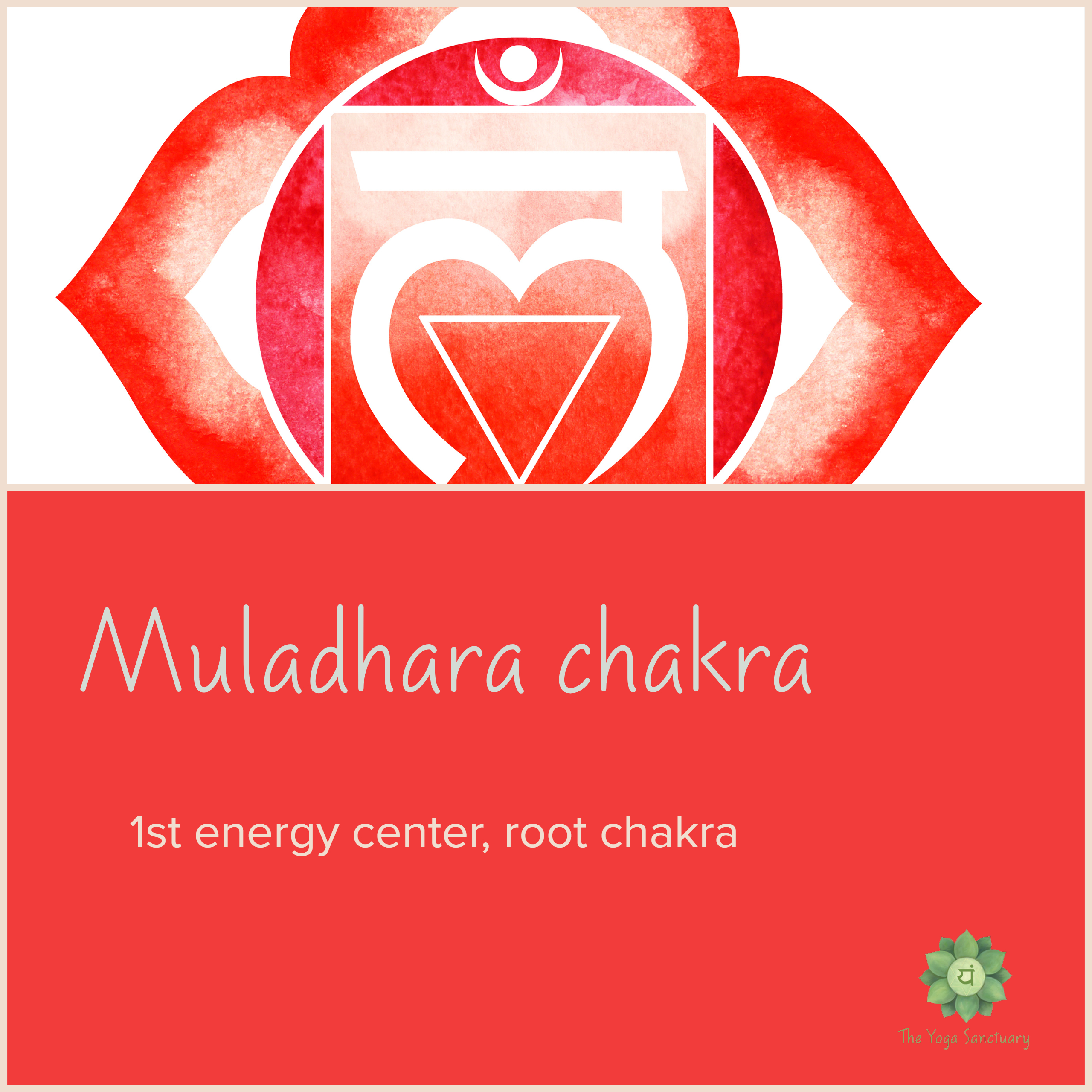
Muladhara is the first of the seven chakras and forms the energetic foundation of the entire system. It is associated with safety, stability, and our most basic needs, shaping how supported and grounded we feel in daily life. When this foundation is steady, we often move through the world with greater ease and confidence.
Qualities
The root chakra is associated with safety, stability, and our most basic needs, shaping how supported and grounded we feel in daily life. It reflects our sense of rootedness physically, emotionally, mentally, and spiritually, as well as in our relationship to the material world. It is often associated with the adrenal glands, which play a role in the body’s stress response and survival mechanisms.
Location and Element
Located at the base of the spine and associated with the perineum and pelvic floor, the root chakra corresponds to the element of earth. It is connected to themes of stability, survival, family, and our most fundamental needs.
When Muladhara Feels Out of Balance
When Muladhara is out of balance, we may feel unsettled, fatigued, or disconnected. Periods of frequent travel or relocation, illness, financial stress, or family concerns can all contribute to this sense of instability. Through yoga practice, however, we can begin to restore steadiness and reconnect with a feeling of support beneath us.
Apana Vayu and Grounding Practices
The prana vayu associated with Muladhara is apana, the downward-moving current of energy that governs elimination and grounding. With each exhale, apana flows outward and downward, helping release stagnation and encouraging stability. Practices that support the root chakra often emphasize contact with the earth, such as standing postures that cultivate strength through the legs and feet. Restorative shapes, including Legs Up the Wall, can also be surprisingly grounding when held for longer periods with relaxed, steady breathing.
Mantra, Meditation, and Visualization
In meditation, chanting the mantra LAM can help bring awareness to Muladhara. Visualization practices may include contemplating the chakra’s yantra, traditionally symbolized as a golden square, representing steadiness and structure.
Returning to Stability
When feelings of disconnection arise, begin by turning your attention toward what feels stable and supportive in your life, as well as to the physical sensation of the ground beneath you. A balanced Muladhara allows prana to move more freely through the body. By cultivating steadiness at the foundation, we create the conditions for energy to rise through the central channel, the sushumna nadi, and for our practice to unfold with greater ease, confidence, and trust.
A Simple Practice for Supporting Muladhara
Begin with the breath: Sit or lie down comfortably and bring attention to your exhale, allowing it to lengthen slightly as you imagine energy settling downward toward the base of the spine and into the earth.
Feel the ground beneath you: Notice the points of contact between your body and the floor or chair. Let these sensations remind you that you are supported.
Move into grounding shapes: Practice a few standing postures, feeling the feet root into the mat, or rest in Legs Up the Wall for several minutes with slow, steady breathing.
Chant or repeat the mantra LAM: Silently or aloud, allow the vibration to draw awareness to the pelvic floor and base of the spine.
Visualize steadiness: Picture a golden square or a warm, earthy glow at the root of the body, symbolizing stability and structure.
Reflect gently: Ask yourself… What in my life feels steady right now? What helps me feel supported?